
Health & Fitness

Maintaining Oral Health With Braces: Tips for Cleaning and Caring for Your Teeth

Having braces is a journey towards a beautiful, straight smile, but it also requires extra attention to oral hygiene to keep your teeth and gums healthy throughout the treatment. Best teeth straightening Birmingham, like any other orthodontic treatment, requires dedication to oral hygiene to ensure successful results. In this article, we’ll explore essential tips for cleaning and caring for your teeth while wearing braces in a friendly and informative tone.

Use the Right Tools

Start by using the right tools for oral hygiene with braces. Your orthodontist may recommend a soft-bristle toothbrush and fluoride toothpaste. For added comfort, you may also benefit from using an interdental brush, floss threaders, and orthodontic wax.
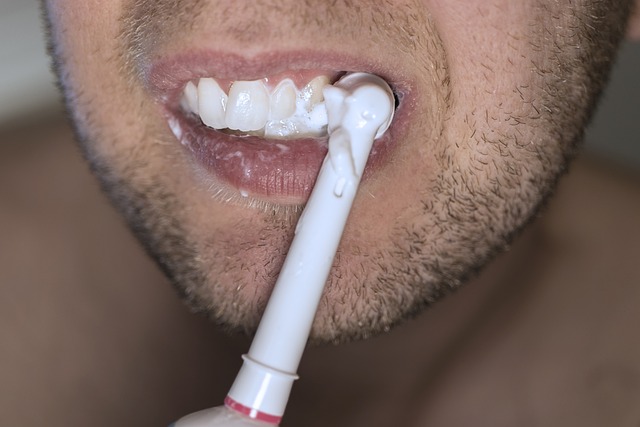
Use the Right Tools

Brush Thoroughly and Gently

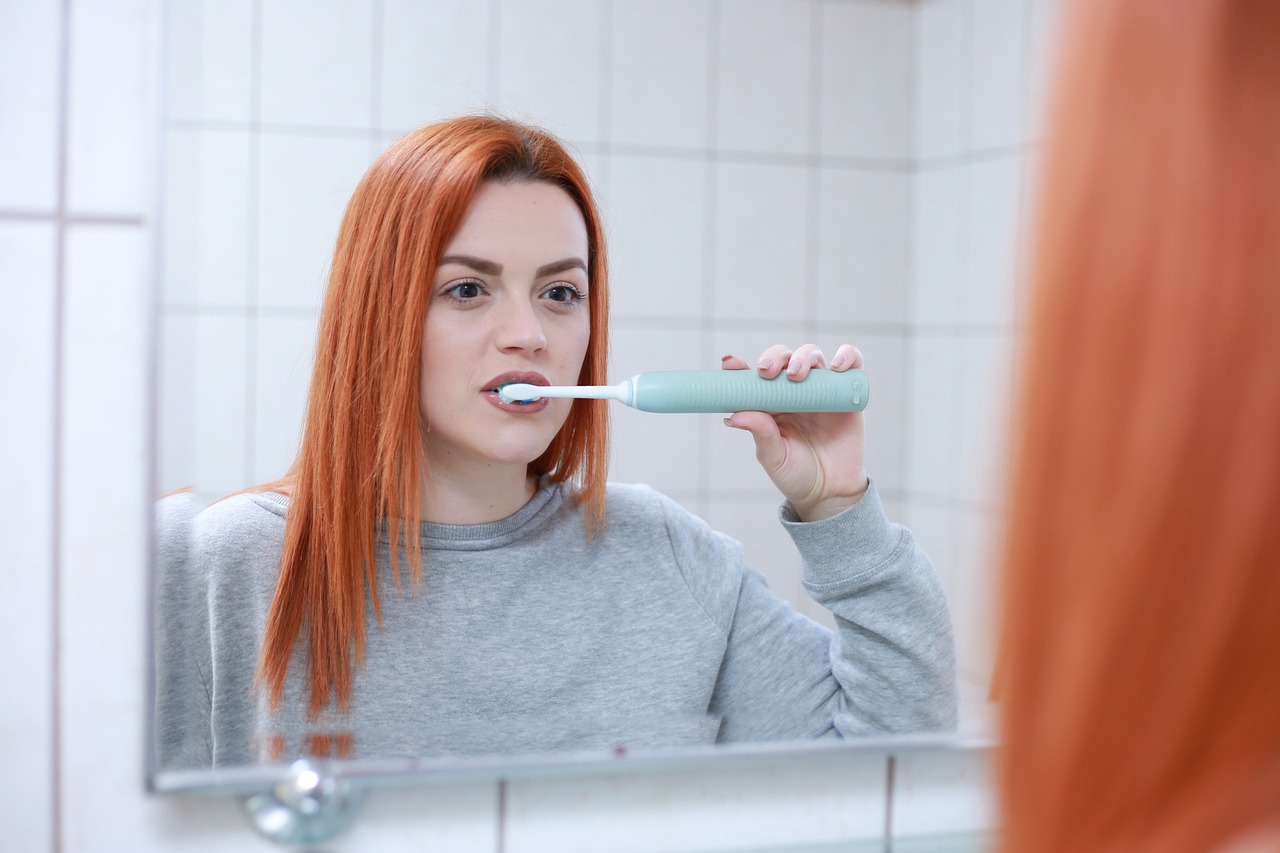
Brushing your teeth becomes even more crucial with braces. Aim to brush after every meal and snack to remove food particles and plaque. Use gentle, circular motions to clean each tooth’s front, back, and chewing surfaces, paying extra attention to areas around brackets and wires.

Rinse With Mouthwash

An antimicrobial mouthwash can help reduce bacteria and plaque buildup in your mouth. Rinse with fluoride or orthodontic mouthwash daily to complement your brushing and flossing routine and keep your breath fresh.

Monitor Your Diet

Avoid hard, sticky, and sugary foods that can damage your braces and increase the risk of tooth decay. Opt for soft, braces-friendly foods like yogurt, mashed potatoes, soups, and smoothies. Drink plenty of water throughout the day to stay hydrated and wash away food debris.
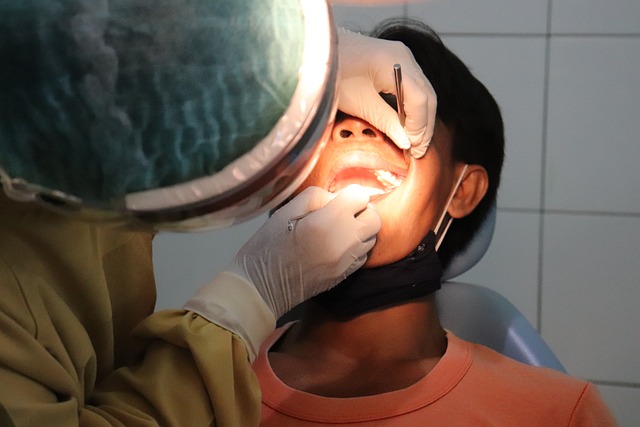
 Cleaning and Caring for Your Teeth

Attend Regular Check-ups

Keep up with your orthodontic appointments for adjustments and check-ups. Your orthodontist will monitor your progress, address any concerns, and provide guidance on oral hygiene and braces care tailored to your needs.

Protect Your Braces

Wear a mouthguard if you play sports to protect your braces from impact and prevent injuries to your mouth and teeth. Avoid biting on hard objects like pens, pencils, or ice cubes that can damage brackets and wires.
teeth

Floss Daily

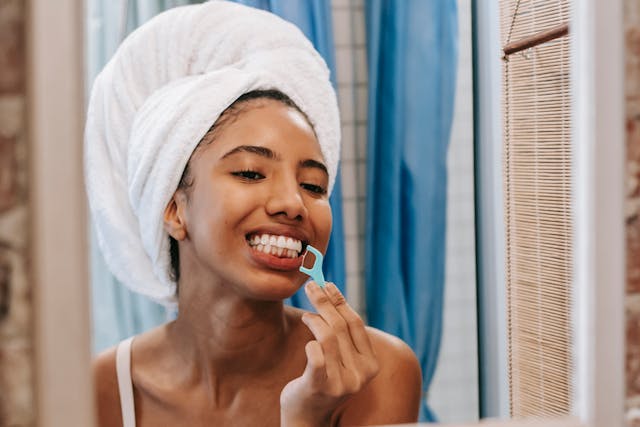
Flossing can be challenging with braces, but it’s essential for preventing cavities and gum disease. Use a floss threader or orthodontic floss to clean between teeth and underwires carefully. Consider using a water flosser for added convenience and effectiveness.

Be Patient and Consistent

Maintaining oral health with braces requires patience and consistency. It may take some time to get used to brushing and flossing around your braces, but with practice and dedication, it will become a routine part of your daily care.

In Conclusion

Maintaining oral health with braces is essential for achieving a beautiful, healthy smile. By using the right tools, brushing and flossing thoroughly, monitoring your diet, attending regular check-ups, protecting your braces, and seeking professional advice when needed, you can ensure optimal oral hygiene and care throughout your orthodontic journey. Remember, a little extra effort in caring for your teeth now will lead to lasting benefits and a confident smile in the future.…


Health & Fitness

Healthy Food for Babies: The Best Choices for a Healthy Diet

Starting your baby on a healthy diet is one of the most important things you can do for their health. There are so many choices out there when it comes to feeding your child that it can be hard to know where to start. That’s why we’re going to tell you some of the best foods for babies and give you a few tips on ensuring they get the nutrients they need. Go check out https://www.littlespoonfood.tours/little-spoon-coupons/ if you want more comprehensive information. Let’s get right to it.

Avocadoes

Avocadoes are packed with healthy fats, essential for every child’s growth and development. They’re also a great source of fiber, vitamins, and minerals. You can add avocado to just about anything or feed it to your baby as is. The recommended way would be to mash them until they’re soft enough to swallow without any obstruction.

Sweet Potatoes

Sweet potatoes are another excellent choice for babies. They’re full of nutrients like Vitamin A, potassium, and fiber. They’re also low in sugar and have a high water content, making them perfect for hydration. You can bake or steam sweet potatoes and then mash them up or cut them into small pieces.

Carrots

Carrots are another excellent vegetable for babies. They’re full of fiber, Vitamin A, and antioxidants. Carrots can be steamed or boiled and then mashed or pureed. You can also give your baby carrots that have been grated or cut into small pieces.

Banana

Another great source of nutrients for babies is bananas. They’re full of vitamins, minerals, and fiber. Bananas are also easy to digest and are a great first food for your baby. You can mash them up or give your baby small pieces of banana.

Apples

An apple a day may not keep the doctor away, but they’re still an excellent choice for your baby. Apples are full of fiber, vitamins, and minerals. They can be given to your baby whole or cut into small pieces. You can also puree them or mash them up.
These are just a few of the many healthy food choices for your baby. It’s important to remember that every child is different and will have different nutritional needs. Talk to your doctor about what’s best for your child, and always consult with them before making any changes to your baby’s diet. Thanks for reading. We hope this was helpful; please share this with any new parents you know.…

Health & Fitness

Choosing The Best Pediatric Dentist: Tips You Need To Know

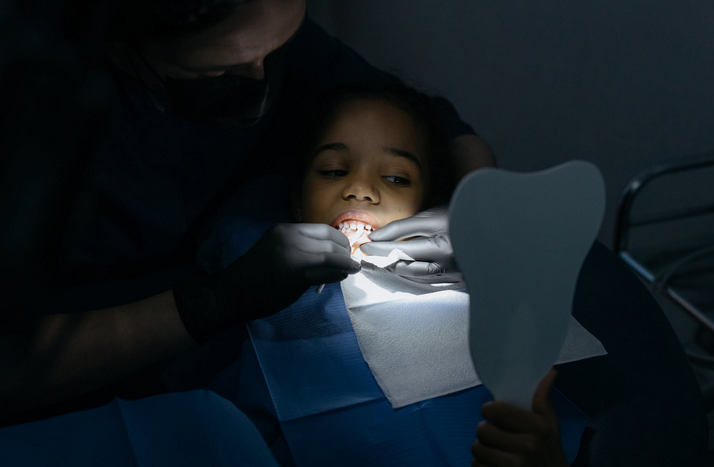
If you have a young child, it’s time to start thinking about finding a pediatric dentist. A good local pediatric dentist will make sure that your child has healthy teeth and gums and will help them to develop good oral hygiene habits. Choosing the right pediatric dentist can be challenging, but don’t worry! We are here to help. In this blog post, we will give you some tips on choosing the best pediatric dentist for your family.

Ask For Recommendations From Friends and Family

If you have friends or family who have children, ask them for recommendations. Find out which pediatric dentist they go to and why they like it there. If their dentist is close by, consider taking your child there. When you ask around for recommendations, be sure to ask about the most important things: How long do they typically wait to get into the office? Is it easy to schedule an appointment? Do you feel comfortable with all of the staff members that work there, including nurses, office workers, and others?

Consider Certification and Qualifications

When looking for a pediatric dentist, be sure to consider their certification and qualifications. The American Board of Pediatric Dentistry is the national certifying body for dentists specializing in caring for children’s teeth. Look for the board’s seal of approval on the pediatric dentist’s website or office. Additionally, ask about how much experience the pediatric dentist has. They should have treated hundreds, if not thousands, of children in their careers.

Establish Their Location

dental healthIt is crucial to find a pediatric dentist that has an office nearby. It would be difficult for you and your child to travel far away to get dental care. A local pediatric dentist will make it easier on both of you. Plus, if there’s ever an emergency with their teeth or gums, then it’ll only take a few minutes to get there and get the help they need. You should also consider if you can quickly drop your child off at their dentist appointments without taking time out of work or school.


Consider Insurance Acceptance

Make sure that the pediatric dentist accepts your insurance. If you don’t have insurance, make sure they offer a payment plan. Some dentists will only accept certain types of insurances and not others, so it’s essential to determine what kind they take before scheduling an appointment!

If you do not have dental insurance, you might have to pay out-of-pocket for your child’s dental care. This can be a costly expense if the cost of their treatment is high or they need extensive work done on their teeth.…

Health & Fitness

Signs that Suggest You Need to Drink More Water

When one is dehydrated, it simply means that the body does not have enough fluids and water. Scientists argue that water makes up about 60-80% of our body mass and that is why when you do not take enough of it, you start experiencing all manner of issues with your body. This for your body to work at its optimum, it is important that you drink the required amount of water on a daily basis. Thus if you are not taking in the required and enough amount of it your body will give you a number of signals. Let us now look at some of the signs that are likely to suggest that you need to drink more water.

1. Thirst

This is the most obvious sign that one needs to drink more water. This is the most obvious signal that your body will give you which tells you that you need to drink water. The body is simply saying that it has not been watered as required and you need to urgently hydrate it.

2. Persistent headaches

When most of the people experience headaches, in most cases they will resort to taking painkillers. But what we do not realize is that our bodies are dehydrated and thus the blood is not thinned enough resulting in less oxygen being transported to the brain, leading to one experiencing a severe headache. Thus to deal with such situations, it is advisable that you take a glass of water as it will ease the pain away.

3. Passing out dark yellow urine

drinking waterThis is another sign that you need to drink more water. For a normal human being, you must be exhausting urine that has a light yellow-amber color. But this will not be the case if you are not consuming enough water as the kidneys will extract more waste products that need to be expelled from the body hence leading to it having darker than usual urine. If you are dehydrated for long, you may pass out urine that has food colorings, blackberries or asparagus.

4. Reduced urine output

A normal human being is supposed to urinate between 6-7 times in a day. This is in the event that they have consumed the recommended amount of water. But if you don’t, your kidneys will attempt to retain as much fluids as possible to ensure that one is not dehydrated hence you will urinate less than 7 times in a day.

5. Dry skin and more defined wrinkles

In today’s world, you will realize that many people more especially those of the female gender rely on expensive moisturizers to achieve soft and smooth skins. They will also constantly use them in an endeavor to deal with fine lines and wrinkles. All this time they do not realize that their bodies are telling them that they need to be consuming more water and their problem will be sorted out.

6. Dry mouth

When your mouth starts to dry out, then you should definitely know that you are dehydrated. When your mouth dries, it is a sign that your mucous membranes have been dehydrated and hence need some replenishing by drinking more water. When you see the above-highlighted signs, then definitely know that your body is asking you to drink more water.…