
Utility failures can disrupt daily life, damage property, and lead to unexpected expenses, making prevention a top priority for homeowners. Common issues include power outages, gas line problems, and water heater malfunctions, many of which can be minimized with proactive maintenance. To better plan and reduce risks, it helps to compare PA electric rates, ensuring you understand energy usage patterns and costs in your area. Regular inspections, timely repairs, and smart energy management are key strategies to keep utilities running smoothly. By addressing potential problems before they escalate, homeowners can maintain a safe, efficient, and reliable household environment year-round.
Electrical System Failures
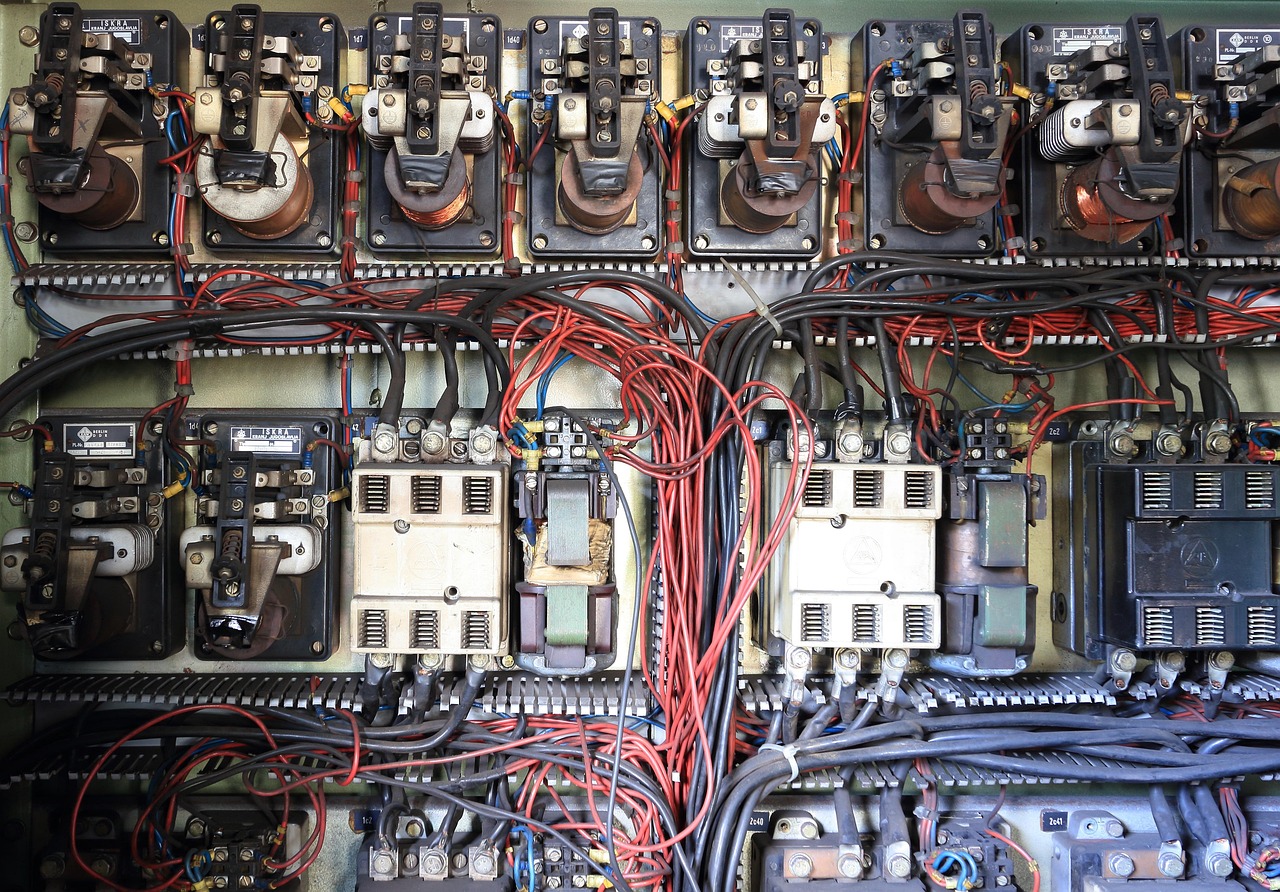 Electrical failures are among the most common utility issues. Overloaded circuits, faulty wiring, or outdated panels can cause power outages or even fires. Preventive measures include regularly inspecting cords and outlets, avoiding overloading circuits, and hiring a licensed electrician for any electrical work. Installing surge protectors also safeguards sensitive electronics. Routine maintenance and vigilance reduce the risk of outages and hazards, keeping your home safe.
Heating and Cooling Problems
HVAC systems are vital for comfort but prone to failures if neglected. Dirty filters, blocked vents, or worn-out components reduce efficiency and can lead to system breakdowns. Scheduling annual inspections, replacing filters regularly, and addressing minor issues early prevent costly repairs. Proper care ensures your heating and cooling systems operate efficiently, saving energy and maintaining a comfortable indoor environment during extreme weather conditions.
Gas and Fuel Issues
Natural gas or propane systems can fail due to leaks, blocked vents, or faulty appliances. Regular inspections, prompt repairs, and installing gas detectors help prevent dangerous situations. Ensuring appliances are maintained according to manufacturer instructions and knowing how to shut off gas in emergencies adds an extra layer of safety. Proactive management reduces the risk of fires, explosions, or harmful exposure.
Water and Plumbing Failures
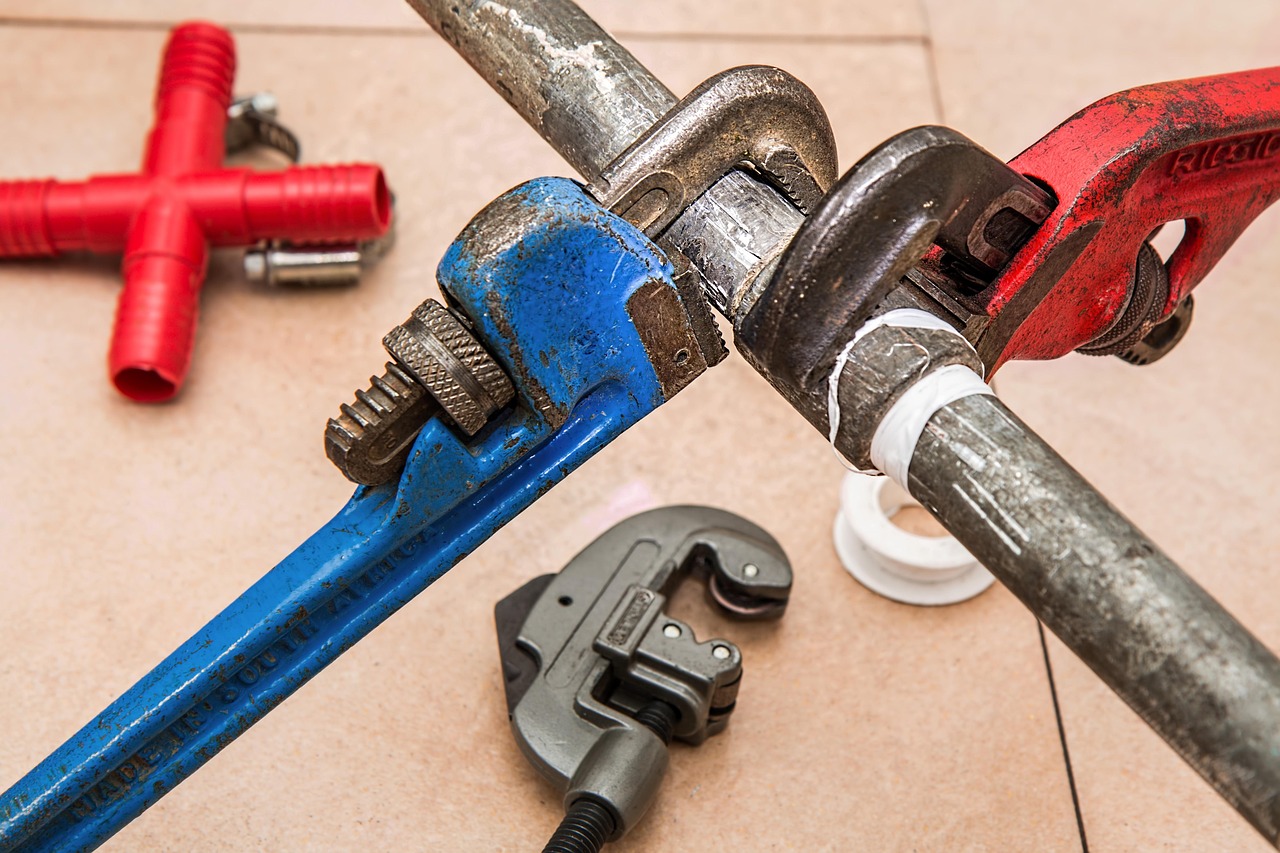
Leaky pipes, clogged drains, and water heater malfunctions are common plumbing problems. Preventive steps include checking for leaks regularly, insulating exposed pipes, and flushing water heaters to remove sediment buildup. Avoiding harsh chemical drain cleaners and monitoring water pressure also reduces strain on plumbing systems. By taking these measures, homeowners can prevent water damage, costly repairs, and interruptions to the water supply.
Preventive Maintenance and Monitoring
Many utility failures are preventable with routine maintenance and monitoring. Keeping systems clean, scheduling inspections, and investing in smart monitoring devices allows homeowners to identify potential problems early. Simple habits like checking smoke and carbon monoxide detectors, maintaining proper ventilation, and monitoring energy and water usage can prevent small issues from escalating into major disruptions.
Common utility failures—from electrical and HVAC problems to plumbing and gas issues—can disrupt daily life and result in costly repairs. Preventive measures such as inspections, regular maintenance, and smart monitoring are essential to keep systems functioning reliably. By staying proactive, homeowners protect their property, enhance safety, and maintain comfort year-round. Understanding potential failures and addressing them before they escalate ensures your home utilities remain efficient, safe, and dependable, giving peace of mind in every season.